


How Brands Are Using Micro-Influencers for Massive Growth
By collaborating with micro-influencers, brands are boosting reach and sales through genuine storytelling that feels less like advertising
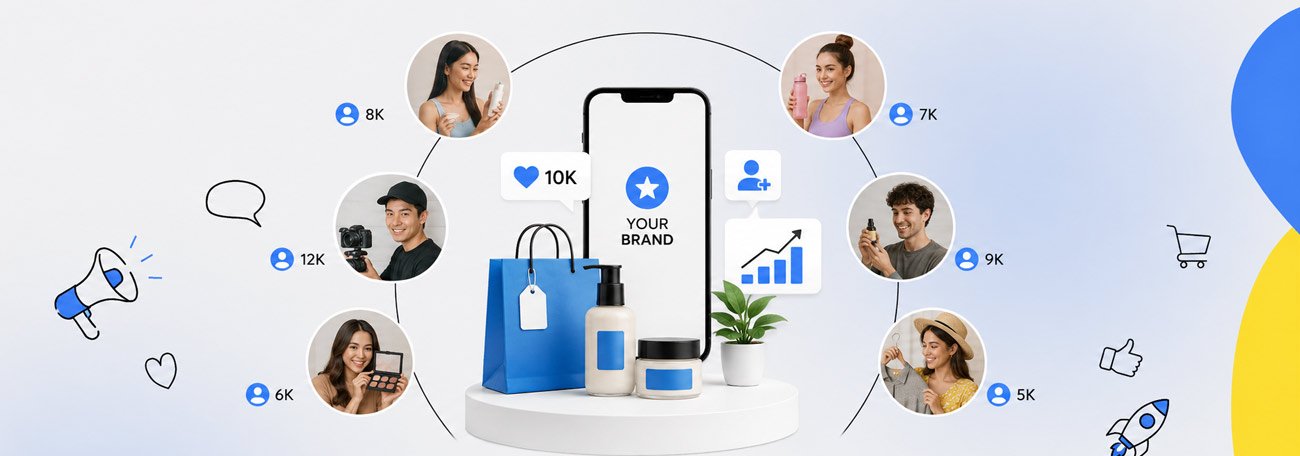
In the early days of influencer marketing, the formula for success seemed simple: find a celebrity with millions of followers, pay them a small fortune to post a photo with your product, and wait for the sales to roll in..
But as social media matured, the "bigger is better" strategy began to show its cracks. Audiences grew wary of polished, impersonal endorsements, and brands noticed that massive reach didn't always translate to meaningful engagement.
Enter the micro-influencer.
Defined typically as creators with 10,000 to 100,000 followers, micro-influencers are becoming the secret weapon for brands looking to achieve explosive growth. Here is why the "power of small" is delivering such massive results.
-
1. High Engagement Over Viral Reach
While a mega-celebrity might have 10 million followers, their engagement rate often hovers around 1% to 2%. In contrast, micro-influencers frequently see engagement rates of 5% to 10%.
Why? Because their communities are tight-knit. Micro-influencers often treat their comment sections like a conversation rather than a broadcast. When they post, their followers aren't just scrolling past; they are liking, sharing, and asking questions. For a brand, 50,000 highly engaged fans are far more valuable than a million passive spectators.
-
2. The Trust Factor (Authenticity is King)
In 2024, authenticity is the highest form of social currency. Micro-influencers are often perceived as "someone like me"—a peer, a hobbyist, or a relatable expert—rather than a distant star.
When a micro-influencer recommends a skincare routine or a new software tool, it feels like a recommendation from a trusted friend. This "halo of trust" lowers the barrier to purchase. Brands are leveraging this by moving away from scripted ads and instead allowing micro-influencers to showcase products in their own unique, unfiltered voice.
-
3. Hyper-Targeted Niches
If you are a brand selling specialized vegan hiking gear, you don’t need to reach everyone; you just need to reach hikers who are vegan.
Micro-influencers rule these specific niches. Whether it’s sustainable fashion, indie gaming, or sourdough baking, there is a micro-influencer who has already gathered your target demographic in one place. By partnering with these creators, brands can ensure their marketing budget is being spent on an audience that is already predisposed to be interested in their product.
-
4. Cost-Effectiveness and Scalability
One of the most tactical reasons brands are shifting to micro-influencers is the ROI. The cost of a single post from a top-tier celebrity can be astronomical. For the same budget, a brand can partner with 20 or 30 micro-influencers.
This "diversified betting" strategy reduces risk. If one creator’s post doesn't land, the other 29 likely will. Furthermore, this approach creates a "surround sound" effect—potential customers begin seeing your brand mentioned by multiple people they follow, creating the illusion that your brand is the "next big thing" in their specific community.
-
5. High-Quality Content Creation
Micro-influencers are often one-person creative agencies. They shoot, edit, and write their own content. Brands are increasingly using these partnerships not just for the reach, but for the assets.
The content created by micro-influencers—User-Generated Content (UGC)—is often more effective in Facebook or Instagram ads than professionally produced studio shots. Brands are licensing this content to use in their own feeds, email newsletters, and website carousels, significantly lowering their own production costs.
-
6. Native Advertising
Native ads (found on platforms like Taboola or Outbrain) are designed to match the look and feel of the editorial content surrounding them. These are highly effective for "top of the funnel" performance marketing, where you provide value through a blog post or guide that leads the reader toward a purchase.